Soluble Silicates in Industry: Which One to Choose for Each Application?
Date
02 of September, 2026
Author
PROQUINSA
Reading time
2 min
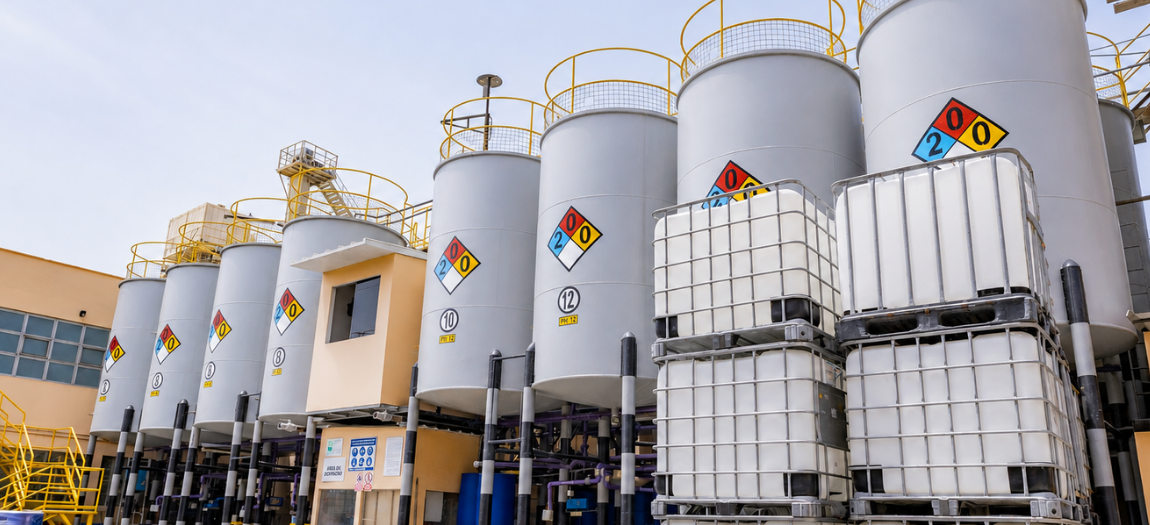
In industrial formulations, choosing the right silicate can significantly affect technical efficiency, process stability, and operational performance.
Although these compounds share a similar chemical foundation, their molecular differences directly affect performance across applications.
Key Technical Differences:
– Sodium Silicate (Na₂O·xSiO₂): an industry standard due to its excellent cost-effectiveness. It offers high binding capacity, adjustable alkalinity depending on the molar ratio (SiO₂/Na₂O), and anticorrosive properties. It is widely used in adhesives, foundry applications, detergents, and water treatment.

– Potassium Silicate (K₂O·xSiO₂): a recommended alternative when minimizing Sodium content and reducing efflorescence are important considerations. It offers good solubility, thermal resistance, and strong performance in applications where compatibility with soils, plants, or mineral coatings is particularly relevant.
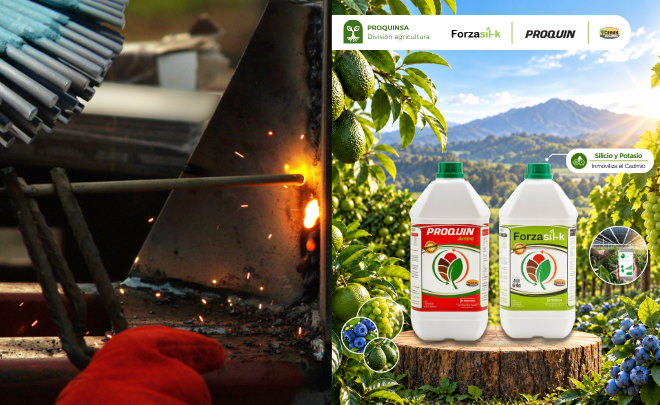
– Hydrated Sodium Metasilicate, available in different degrees of hydration: (Na₂SiO₃·9H₂O) and (Na₂SiO₃·5H₂O). It is a rapidly dissolving crystalline compound with high alkalinity, offering saponifying, dispersing, and degreasing properties. Its performance makes it particularly suitable for industrial detergents, technical cleaning processes, and high-alkalinity formulations.